水杨酸钠是一种成熟的活性成分,属于β-羟基盐,以其强大的角质溶解和抗炎特性而闻名。它能有效渗透毛孔,溶解多余皮脂和死皮细胞,是治疗痤疮、牛皮癣、头皮屑和各种皮肤刺激的理想选择。它能够精准缓解皮肤问题,同时促进肌肤光滑透亮,因此成为医药和化妆品配方中值得信赖的选择。
水杨酸钠
1. 产品标识
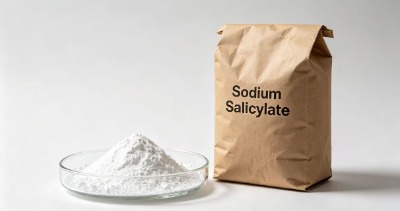
产品名称:水杨酸钠
同义词:水杨酸钠;邻羟基苯甲酸钠;2-羟基苯甲酸钠
化学式:C₇H₅NaO₃
分子量:160.10 g/mol
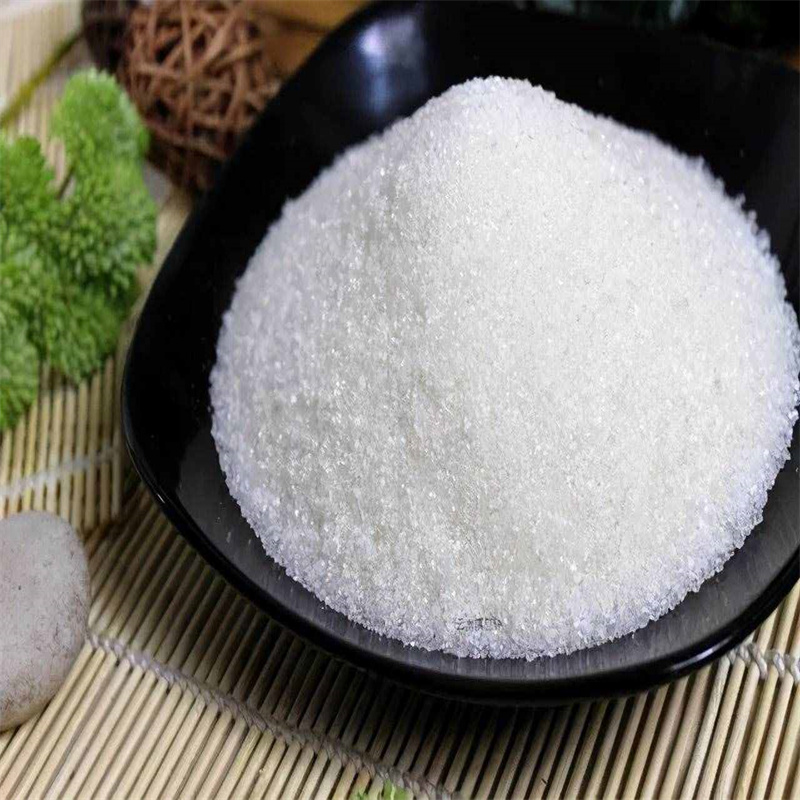
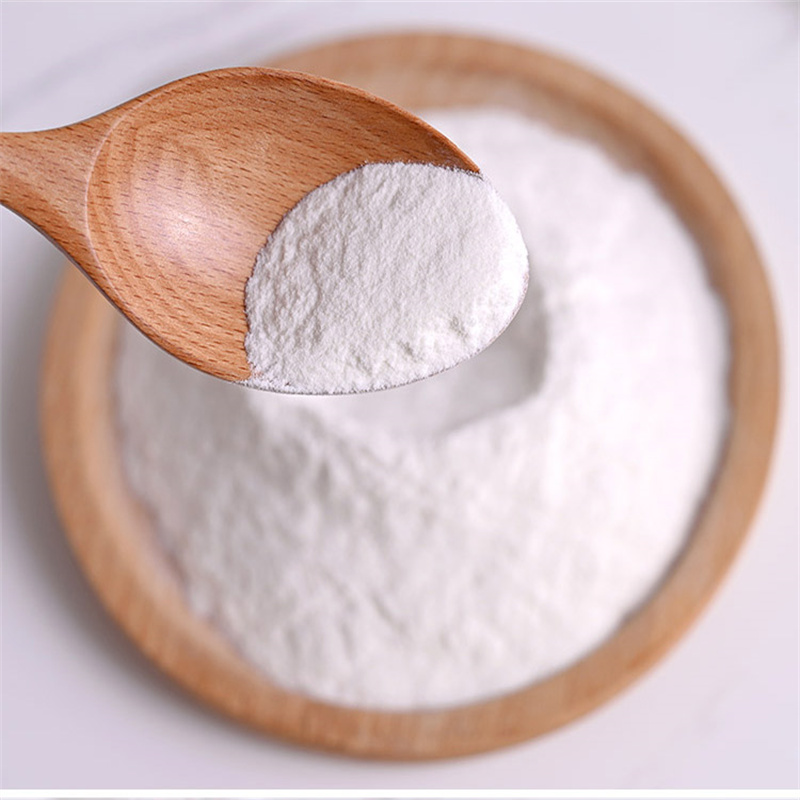
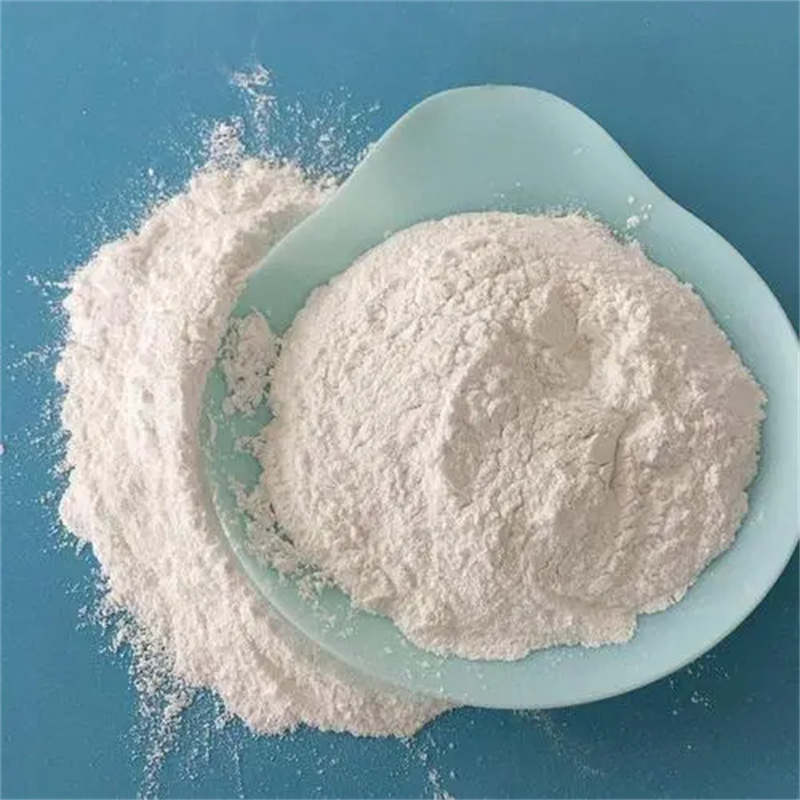
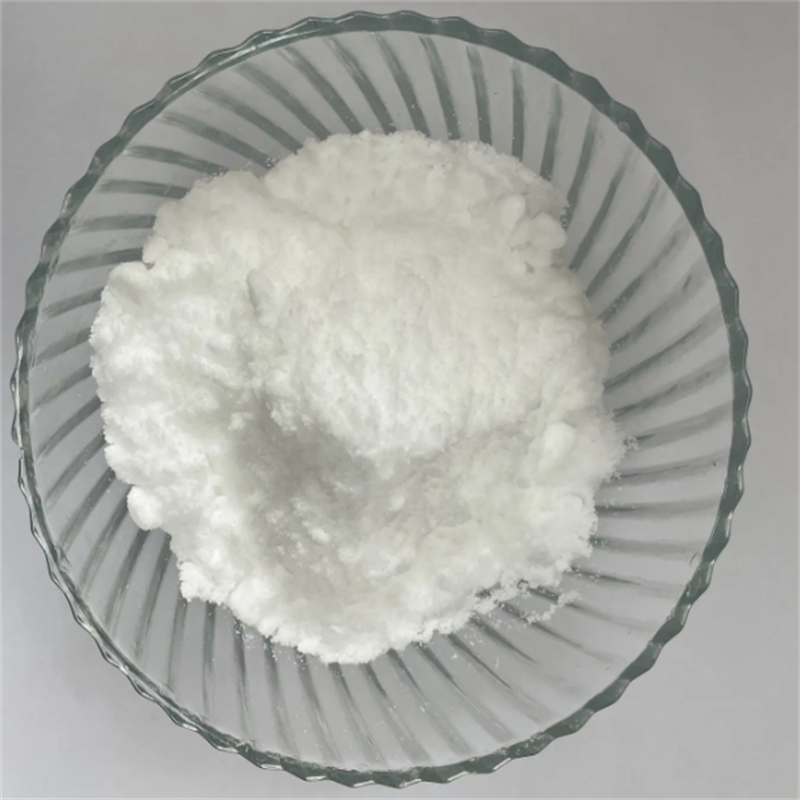
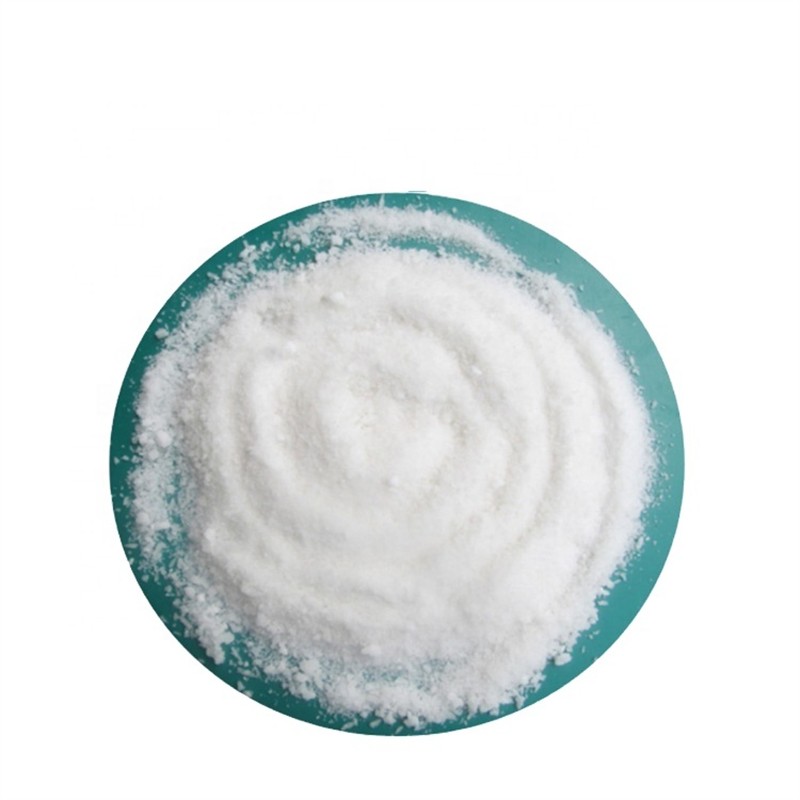
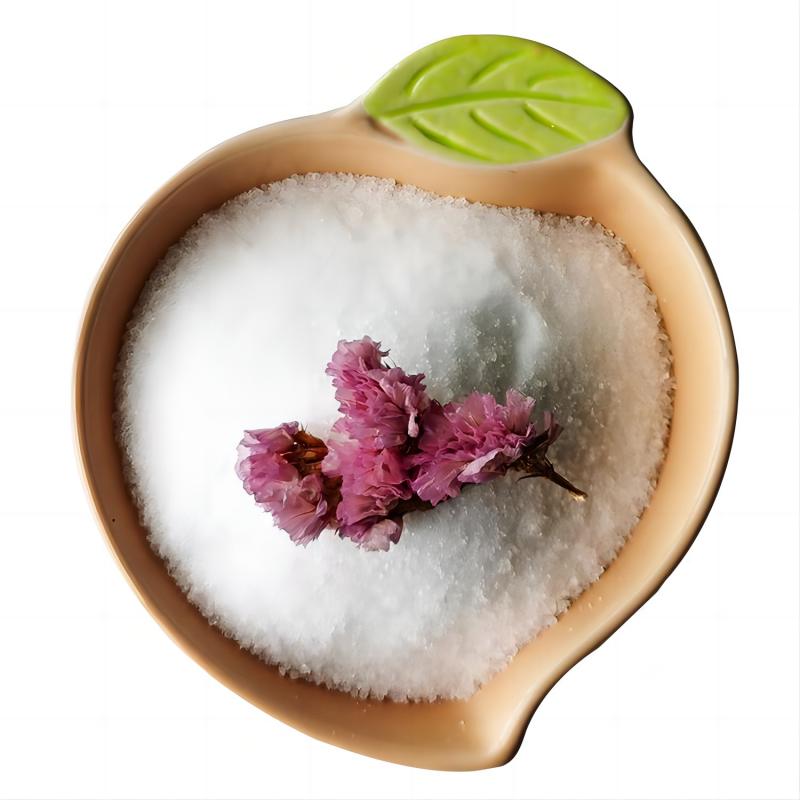
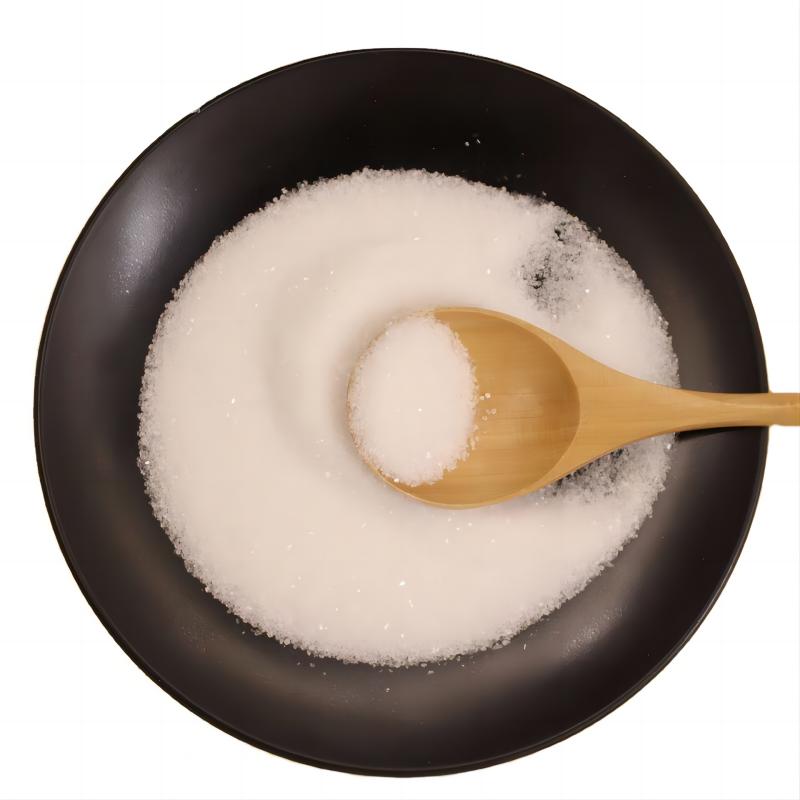
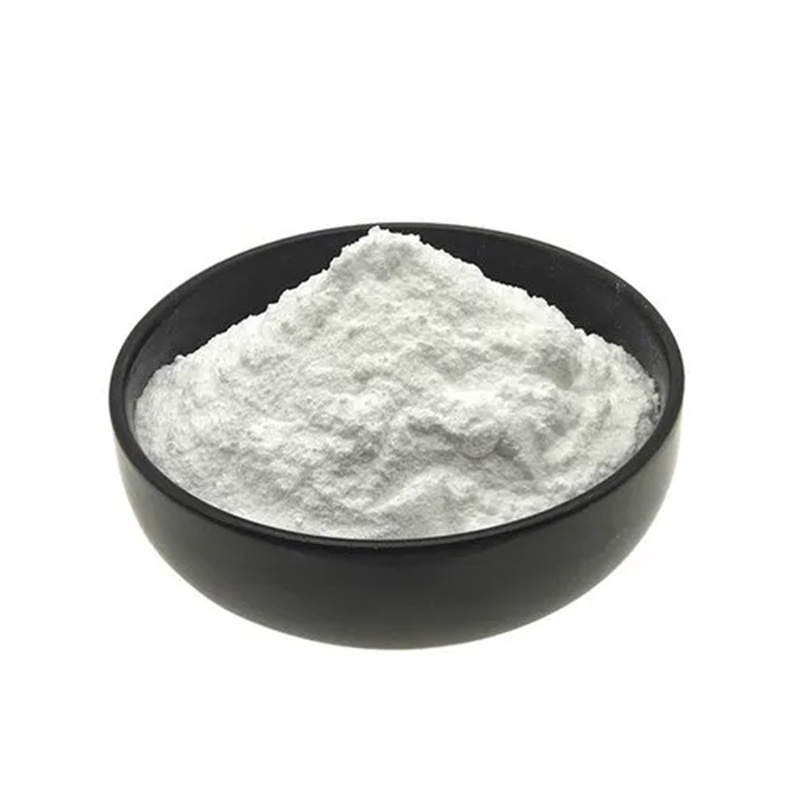
外观:白色结晶粉末或细颗粒。
溶解性:易溶于水,微溶于醇。
| 氯化物 | ≤200ppm NMT200ppm | <200ppm |
| 硫酸盐 | ≤600ppm NMT600ppm | <600ppm |
| 重金属 | ≤20ppm NMTppm | <20页 |
2. 主要特性及应用
水杨酸钠是一种用途广泛的化合物,在多个行业中都有广泛的应用。
制药行业:
镇痛退热药:用于缓解疼痛和退烧。
抗炎:对治疗各种炎症性疾病有效。
中间体:是合成其他药物(如乙酰水杨酸(阿司匹林))的关键原料。
化妆品及个人护理:
去角质:作为一种β-羟基酸(BHA),它有助于去除死皮细胞,疏通毛孔,改善皮肤质地。
防腐剂:有助于防止化妆品配方中细菌和真菌的滋生。
常见于:洁面乳、爽肤水、精华液以及针对易长粉刺和油性皮肤的局部治疗产品中。
食品行业:
食品防腐剂:用于抑制某些食品和饮料中霉菌和酵母的生长(尽管其使用受到管制,现在不太常见)。
工业应用:
化学中间体:制造各种染料、颜料和润滑剂的前体。
分析试剂:用于化学分析和作为紫外线吸收剂。
3. 安全与操作信息
安全数据表 (MSDS):可根据要求提供全面的安全数据表 (MSDS) 或 SDS,其中包含有关操作、储存和应急程序的详细信息。这对于遵守法规至关重要,尤其对于出口而言。
操作方法:避免产生粉尘。请在通风良好的区域操作。佩戴合适的个人防护装备(PPE),例如安全眼镜和防尘口罩。
储存方法:请置于阴凉、干燥、通风良好的地方。不使用时,请将容器盖紧。避光防潮。
监管:请参阅您所在国家或地区的具体法规(例如,FDA、欧盟化妆品法规),了解有关其在药品、化妆品或食品中使用的合规指南。
4. 包装
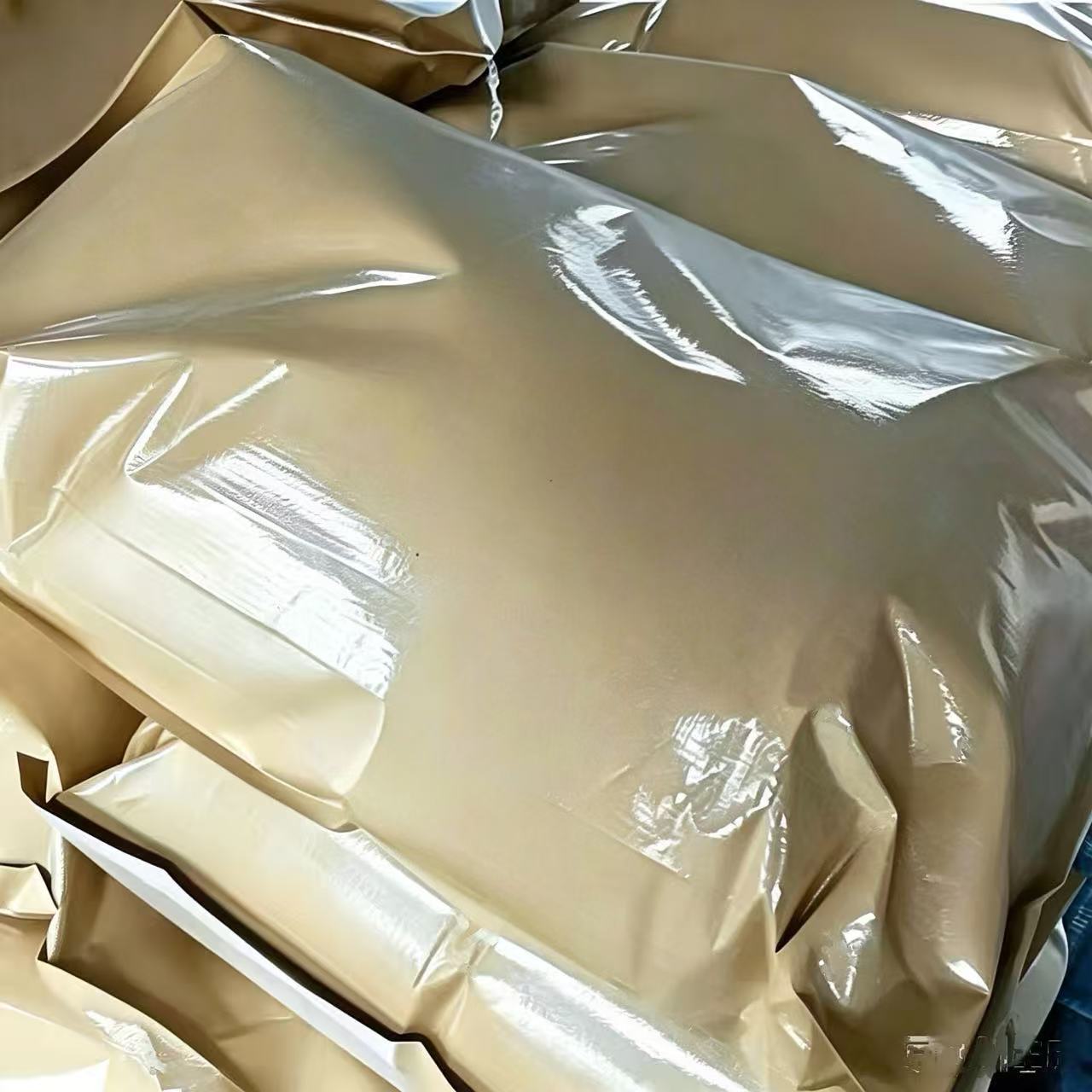
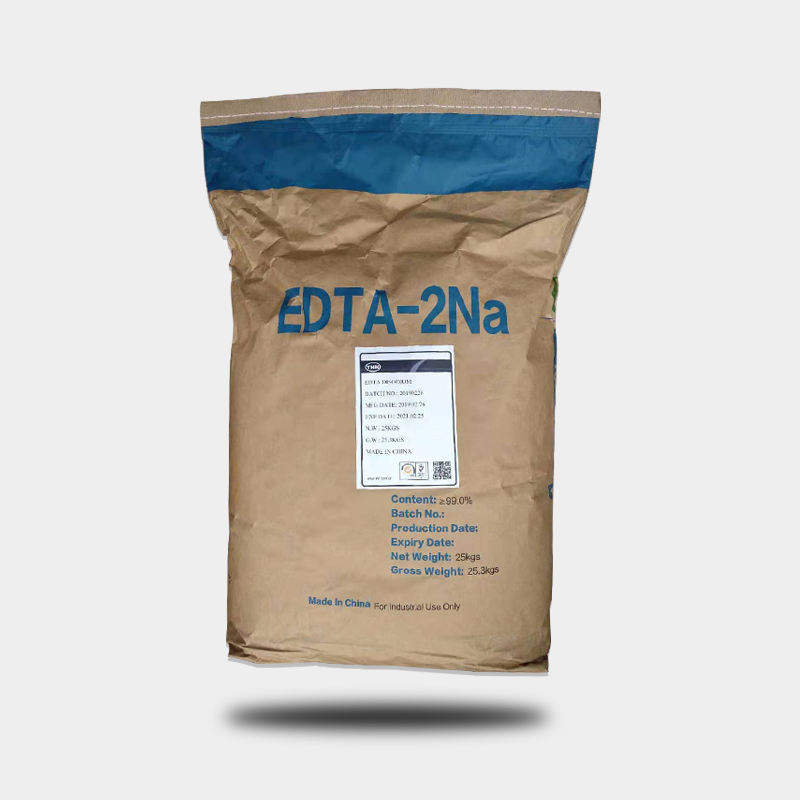
标准包装:可采用 25 公斤纤维桶或带聚乙烯内衬的多层纸袋包装。
定制化:可根据客户的具体要求提供定制包装解决方案。
为什么选择我们作为您的供应商
多等级选择:我们提供医药级、化妆品级和工业级水杨酸钠,以满足您特定的监管和配方需求,并提供完整的文档,包括 COA、MSDS 和法规合规证书。
灵活的批发和定制:最低起订量为 50 公斤,支持批量订单、定制包装和标签,以满足您的品牌要求。
质量可靠,可追溯性强:严格按照质量控制标准生产,批次间一致性高,每批货物均可完全追溯。
专属技术支持:我们的团队提供配方、法规遵从性和产品储存方面的专家指导,帮助您避免延误并确保生产顺利进行。
常见问题解答
问:你们提供哪些等级的水杨酸钠?
答:我们提供医药级、化妆品级和工业级水杨酸钠,每种级别均符合不同的纯度和监管标准。我们可以提供详细的规格说明和证书,帮助您选择适合您应用的级别。
问:最小订购量(MOQ)是多少?
答:标准最小起订量为50公斤。我们支持更大批量的订单,并可就长期合作关系探讨灵活的条款。
问:水杨酸钠可安全用于化妆品吗?
答:是的,化妆品级水杨酸钠在安全浓度范围内广泛用于护肤品中,以其温和去角质和抗痘功效而闻名。建议遵循当地法规对使用浓度的规定。
问:有哪些包装选择?
答:标准包装为25公斤袋装或桶装。我们也提供定制包装方案,包括贴牌生产,以满足您品牌的特定需求。
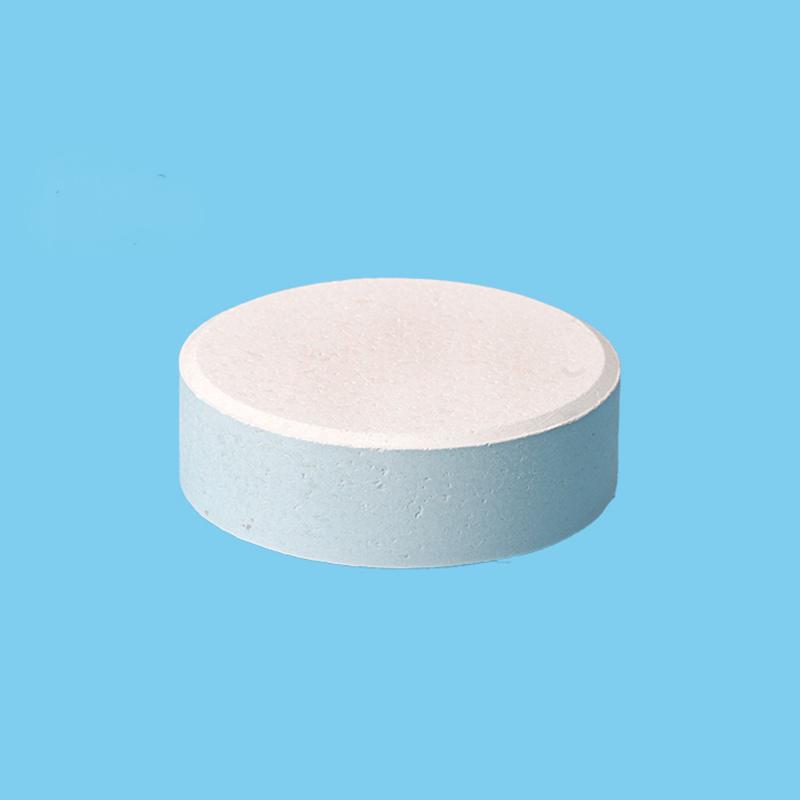
三氯异氰尿酸是一种有机化合物,化学式为C3Cl3N3O3,分子量为232.41,为白色结晶粉末或颗粒状固体,有强烈的氯气刺激性气味。
阅读更多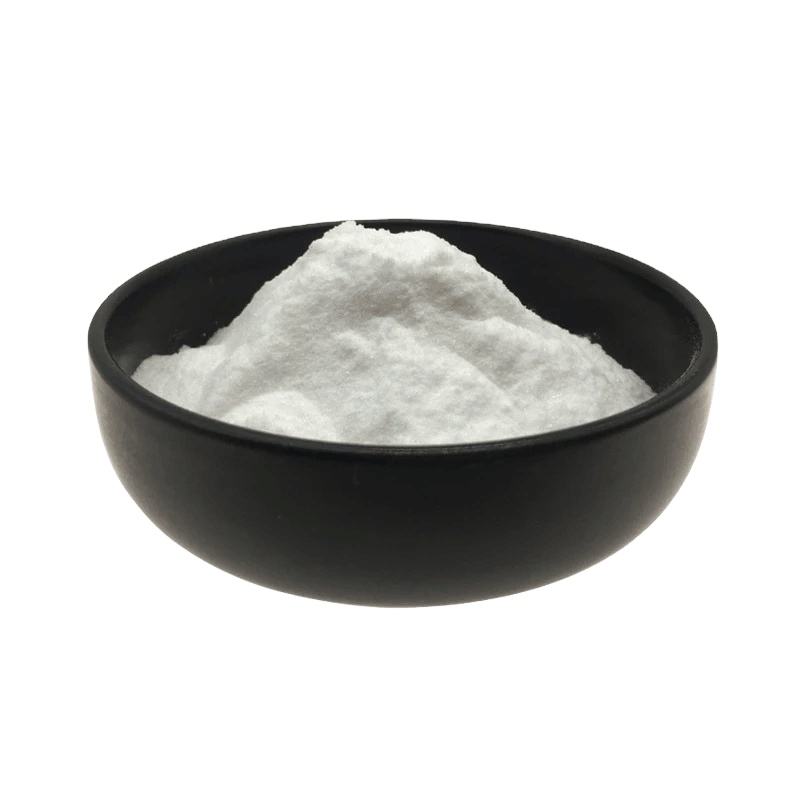
 English
 français
 italiano
 русский
 español
 português
 Indonesia
 Tiếng việt
 العربية
 中文
中文


 IPv6 网络支持